
Unlocking Global Demographic Insights with GeoEnrichment and Agentic AI Coding
Objective
To empower participants with the skills to leverage Esri’s GeoEnrichment services for accessing and integrating global demographic, socioeconomic, and lifestyle data, enabling them to query, analyze, and visualize enriched spatial data and create interactive, web-based GIS applications with minimal programming expertise.
Target Audience
This workshop is aimed at students, professionals, and researchers looking to integrate demographic, socioeconomic, and lifestyle data into their studies and workflows.
10h00 – 12h00
Workshop Description:
This hands-on workshop introduces participants to the power of GeoEnrichment—leveraging Esri’s cloud-based services to access global demographic, socioeconomic, and lifestyle data in seconds. Whether you’re a researcher, developer, or data enthusiast, you’ll learn how to integrate these insights directly into your studies and workflows.
We will explore the ArcGIS API for Python and the ArcGIS REST API, guiding participants through the process of querying, analyzing, and visualizing enriched spatial data. You’ll get a chance to work in both Google Colab, a web-based coding environment, and Cursor, an agentic AI code editor that assists you with intelligent code suggestions and context-aware development. Even if you’re not an expert in Python, HTML, or JavaScript, this workshop will show you how to create compelling, map-based visualizations and dashboards with minimal friction.
No pre-installation is needed—just bring a laptop and curiosity. Together, we’ll build an end-to-end pipeline: from pulling GeoEnrichment data to building interactive, web-ready visualizations.
Key Topics:
Resilience and Heritage
Objective
Target Audience
This workshop is aimed at students interested in documenting and preserving cultural heritage through environmental change and disasters.
10h00 – 12h00
Resilience and Heritage
Led by Dr. Whit Schroder
Introduction
Welcome and goals for the workshop
Lecture on heritage preservation in post-disaster recovery and remote sensing
Lecture on cultural and environmental land cover classification
Tools for Heritage Documentation
Workshop on analyzing multispectral imagery in Google Earth Engine
Conclusion and Q&A
The future of big data, AI, and remote sensing for heritage preservation
Open forum for participant questions, insights, and feedback
Whit Schroder
Closing Remarks & City Tour
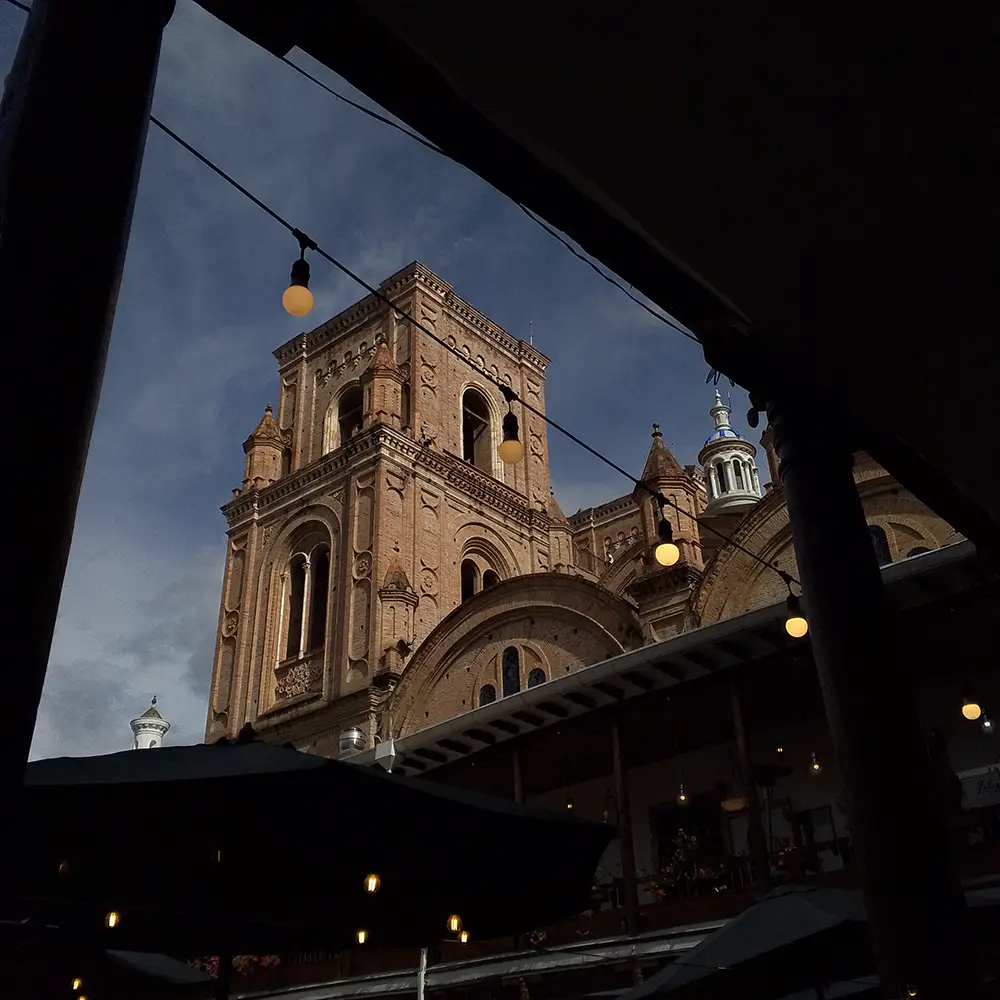
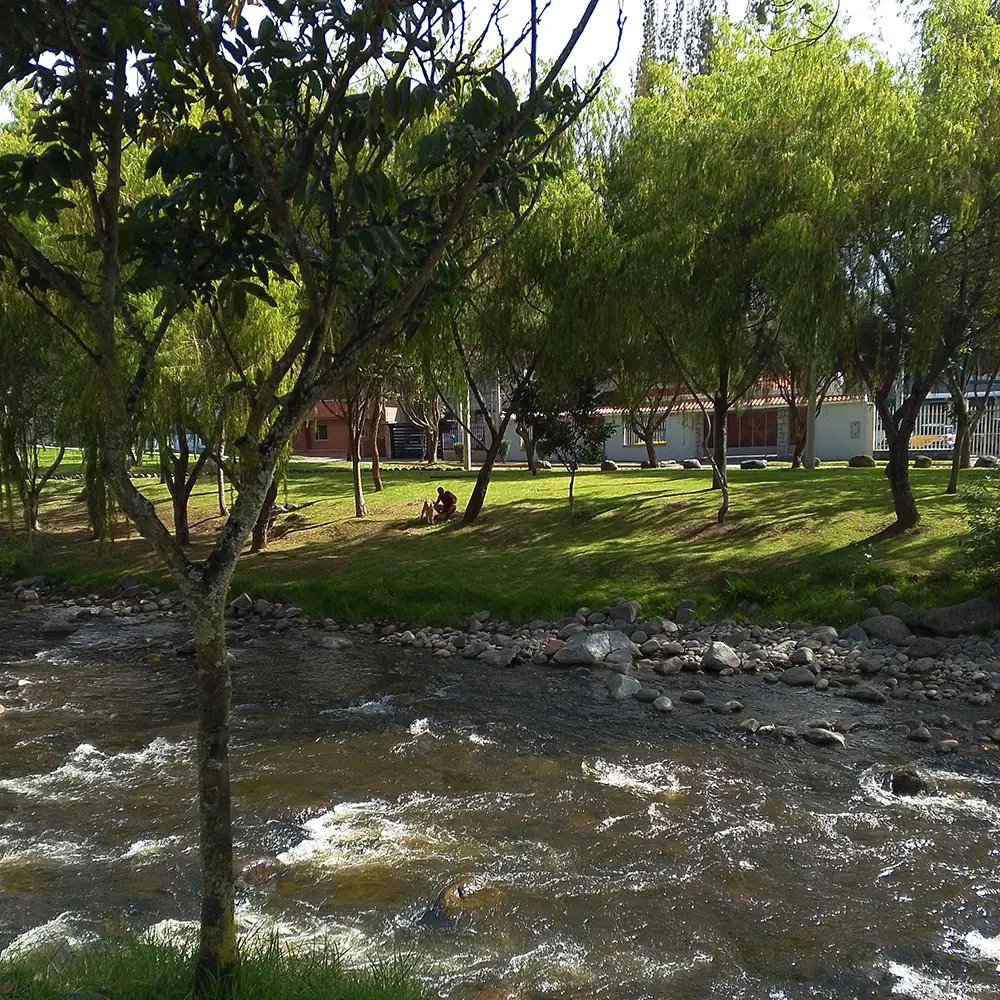
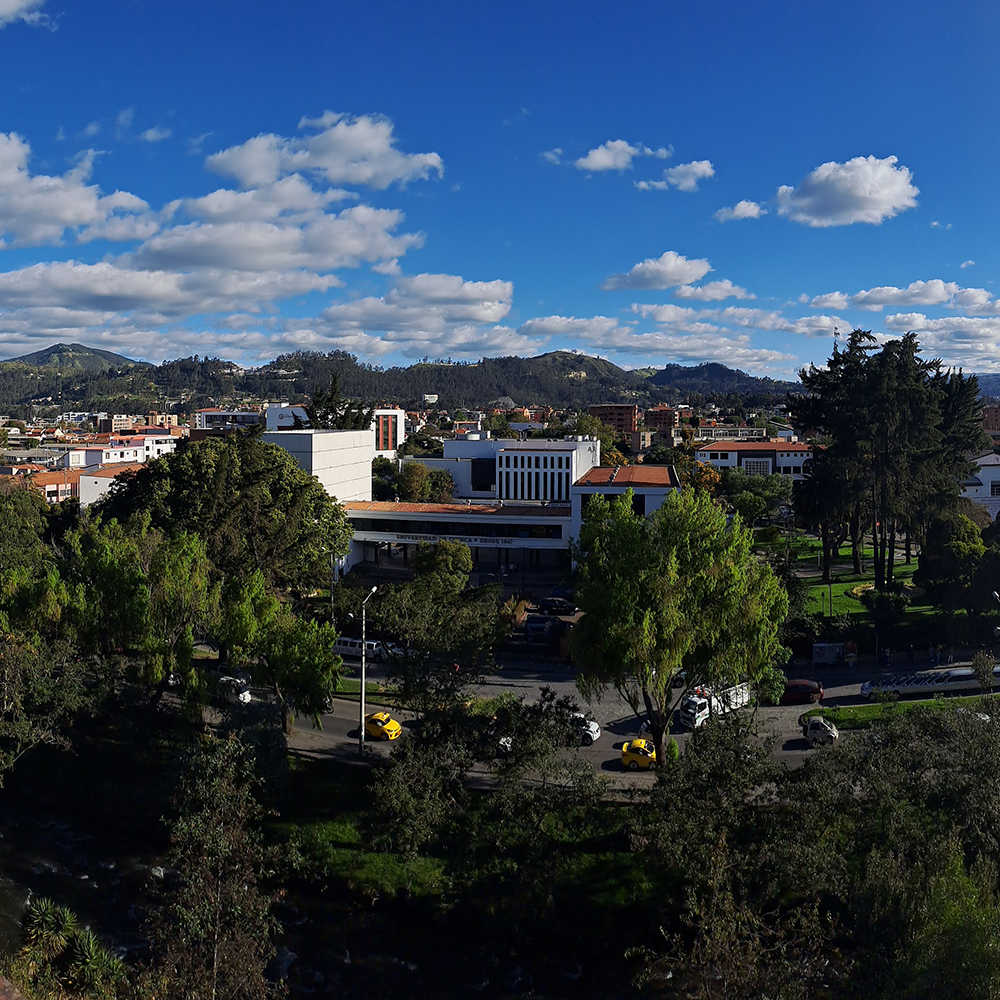
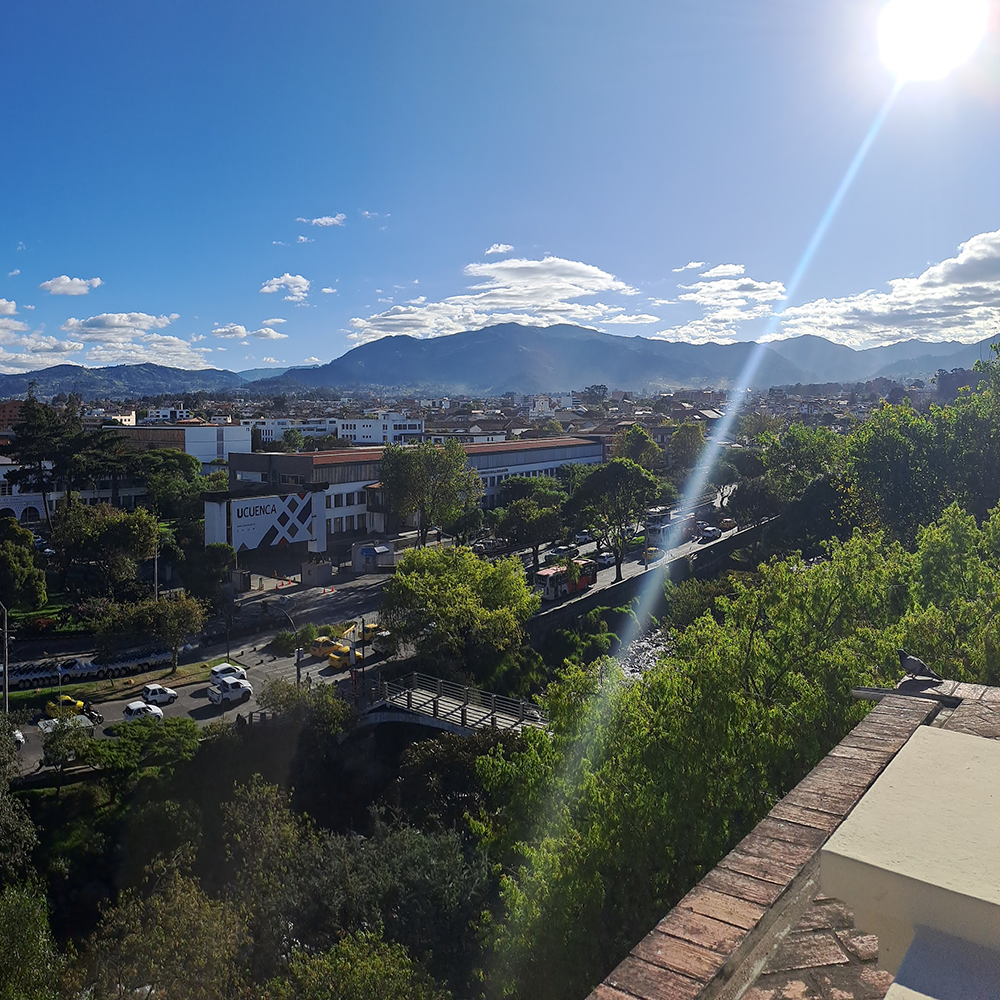
Cuenca, a UNESCO World Heritage Site nestled in the Andes Mountains, offers a captivating blend of history, culture, and natural beauty. This charming city boasts cobblestone streets, colorful colonial buildings, and ornate churches, creating a picturesque and romantic atmosphere. Explore the vibrant plazas, wander through the Tomebamba River, and indulge in delicious Ecuadorian cuisine. Cuenca’s proximity to natural wonders like El Cajas National Park and Ingapirca ruins provides opportunities for outdoor adventures and cultural immersion.
Beyond its historical charm, Cuenca offers a relaxed and welcoming atmosphere. You’ll find friendly locals, a vibrant arts scene, and a slower pace of life. Whether you’re seeking a cultural adventure, a relaxing getaway, or a taste of authentic South American life, Cuenca has something to offer every traveler.
12h30 – 13h30
Closing remarks
13h30 – 15h30
City Tour
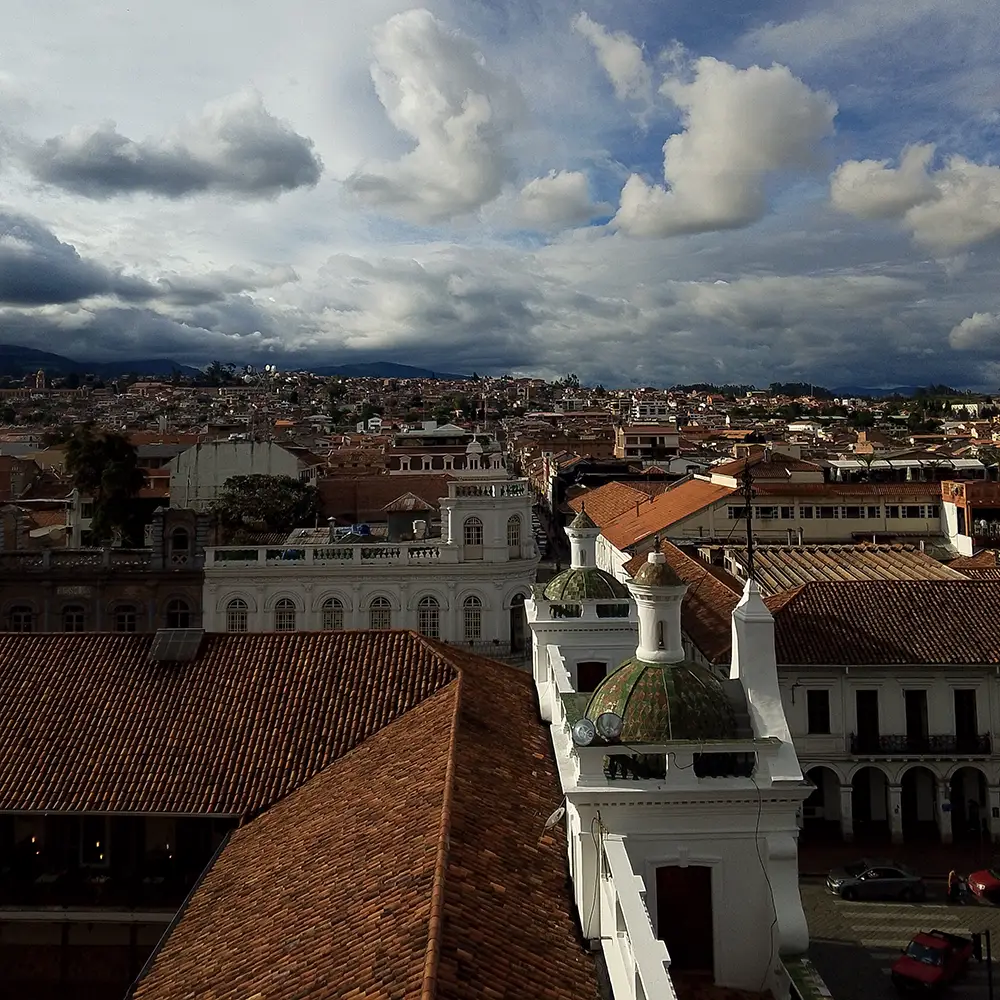
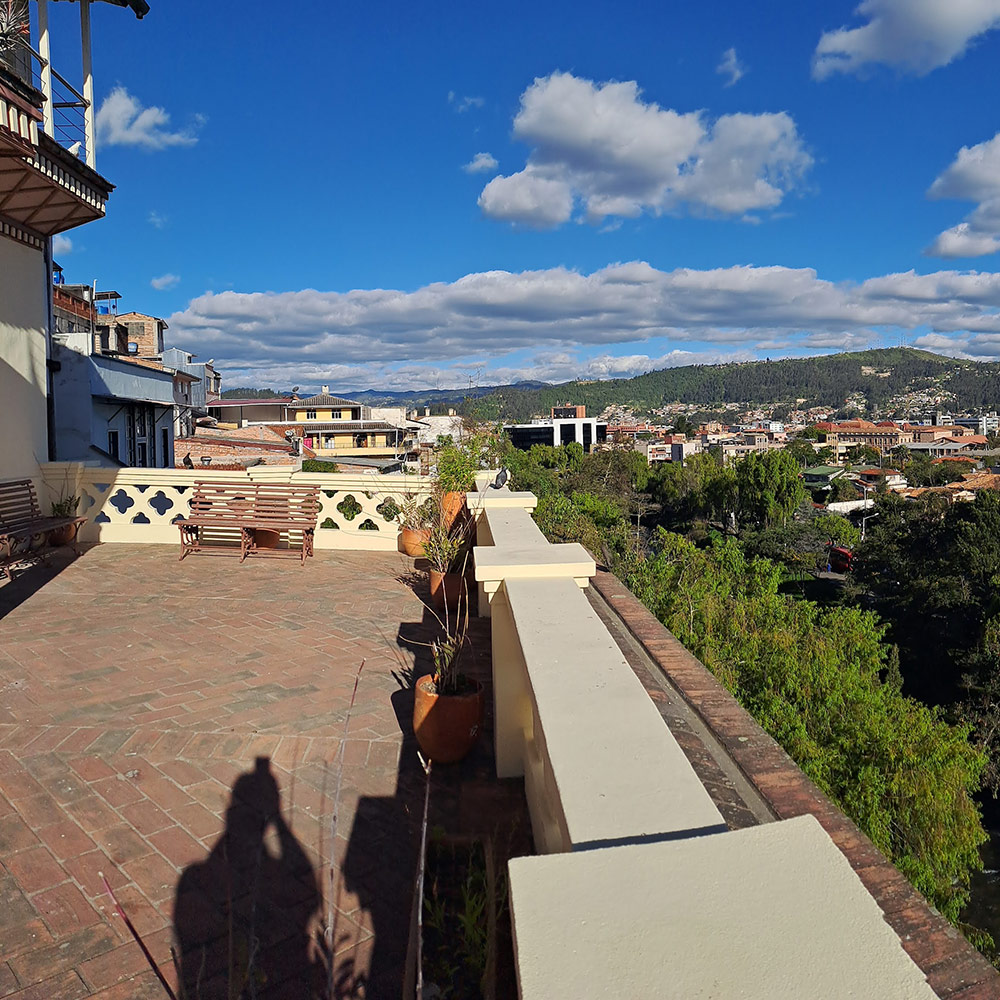
Resilience Symposium recommends Hotel San Juan

Dr. Changjie Chen is an urban researcher who studies the spatial structure and functional dynamics of cities. His scholarly endeavors are centered on planning decision support aimed at enhancing the sustainability of urban built environments and bolstering community resilience. The core of his work involves integrated modeling of land use and transportation, which is achieved through an agglomeration of technologies such as geographical information system (GIS), remote sensing, spatial econometrics, machine learning, and high-performance computing (HPC). His recent research leverages leading-edge geospatial visual analytics and cloud-based web technologies to pioneer the development of urban digital twins, enabling the simulation of current conditions and future urban landscapes.
Is a Professor and Dean of the College of Design, Construction, and Planning at the University of Florida. A Fellow of the Royal Academy of Engineering, FREng, he holds a Ph.D. in Civil Engineering from the University of Leeds, UK; a higher doctorate – D.Sc. (Doctor of Science) – from Loughborough University, UK; and an Honorary Doctorate (Dr.h.c.) from Delft University of Technology in The Netherlands. He has over 500 scientific publications and his work has received support worth over $160m from a variety of sources. He has also supervised 62 doctoral candidates to completion and mentored over 25 postdoctoral researchers. He is the recipient of the 2018 ASCE Computing in Civil Engineering Award and is a member of the US National Academy of Construction (NAC).
Is a PhD Architect and Associate Professor at the Department of Architectural History, Theory, and Composition, lecturing at the University of Seville (USE) since 2015. Her research focuses on the role of heritage and culture in the sustainable development of historic and contemporary cities, and in particular, she works on the identification of sustainable urban strategies to be inserted within local policies. She was responsible for the Historic Urban Landscape Program in the Management Plan for Heritage Municipal Buildings of Seville (2019-2021) and She has been co-director of Project Reassessment of the Natural and Cultural Heritage of the city of Cuenca from the strategies of sustainable development supported by the Recommendation on the Historic Urban Landscape funded by the Research Department of the University of Cuenca (Equator). She is a USE research member of ICOMOS and since 2016, she has lectured at the Master of Sustainable City and Architecture (USE) and in the Master in Anthropology: Management of Cultural Diversity, Heritage and Development. Member of the research group HUM-666: “City, Architecture and Contemporary Heritage” of the University of Seville.
Architect, data analytics expert, and entrepreneur known for integrating AI and data-driven strategies across mobility, logistics, real estate, and commercial sectors. He holds a Master’s degree in Space Syntax from The Bartlett School of Architecture, University College London.
As the Global Product Manager at Rappi, Gustavo leads the development of AI-powered solutions and data-driven strategies, optimizing operations and customer experiences in over 200 cities across Latin America. His work focuses on helping organizations leverage data and AI to drive digital transformation.
His expertise spans data science, predictive algorithms, spatial analysis, AI applications, real estate, and strategic consulting.
Founder and President of Urban AI, an internationally renowned organization dedicated to urban artificial intelligence. He collaborates with global partners to study, develop, and implement urban AIs. He is also an External Consultant at the OECD and a Visiting Fellow at the Sorbonne Center for Artificial Intelligence.
Sheyla Santana is an urban planner with a background in GIS. Sheyla holds a PhD in Architecture, Urban Planning, and GIS from UFMG. Her research focuses on vulnerability assessment, community-focused planning, citizen science, digital twin, and visioning scenarios to support adaptation to urban spaces. Sheyla applies geodesign techniques to engage stakeholders in collaboratively designing solutions for spatial challenges in built and natural environments. Sheyla is interested in studying the interaction of humans, environment, and infrastructure in the urban context, aiming to leverage their dynamic to foster sustainability and resilience. Currently, she is working on a project for post-disaster recovery/long-term adaptation design and a planning project assisting Lee County following Hurricane Ian.
Jeff Carney is the director of the UF Florida Institute for Built Environment Resilience (FIBER). He is a registered architect and certified urban planner working at the interface of housing, neighborhoods, ecosystems, and hazards, with a focus on community-scale adaptation. He has led over 45 funded research projects totaling more than $14 million. His work has been recognized nationally with numerous awards in architecture, planning, and landscape architecture. His projects have been widely published and exhibited, including at the Venice Biennale. Jeff earned his bachelor’s degree in architecture from Washington University in St. Louis and master’s degrees in both architecture and city and regional planning from the University of California, Berkeley. While at Berkeley, he was awarded the Branner Fellowship to conduct a year-long research project studying the evolution of modernist neighborhood design in Europe, South America, and Asia—an experience that continues to shape his work today.
Juan Fernando Hidalgo is a member of the Virtualtech research group at the Faculty of Architecture of the University of Cuenca. He is an Architect (University of Cuenca), Master in Eco-Sustainable Architecture (University of Bologna), and PhD in Technological Innovation in Building Technology (Polytechnic University of Madrid-Cum Laude). His main research lines are the use of non-wood forest products in construction, innovation in construction systems, and materials science. He has participated as guest professor at the Polytechnic University of Madrid, Czech University of Life Sciences in Prague, University of Yale, UMPRUM in Prague, UTM in Manabí. Currently he is a professor of construction technology at the Faculty of Architecture, University of Cuenca.
Francisco is an architect serving as an Assistant Professor at the Faculty of Architecture at the University of Cuenca, Ecuador, and the director of the Master’s program in BIM Project Management. He obtained his master’s degree from the Polytechnic University of Valencia. Combining academia with his professional practice, he has worked on and led various projects in both the public and private sectors in Ecuador and Spain. His expertise focuses on BIM consulting, design, and construction. His research explores synergies between physical architecture and digital architecture.
Christian Calle Figueroa is an urban designer and assistant scholar at the University of Florida, Florida Institute for Built Environment Resilience FIBER. He graduated as an architect from the University of Cuenca, Ecuador, and obtained a Master in Advanced Studies in Urban Design and a Diploma of Advanced Studies in Spatial Planning at ETH Zurich. Over the past decade, Christian has been engaged in urban studies and projects globally, addressing diverse urban challenges. His work has spanned from the re-urbanization of favelas in Brazil to developing housing projects in Ecuador and designing master plans in Switzerland and Germany.
In recent years, Christian’s focus has shifted towards climate-resilient projects, particularly vulnerability assessment plans for coastal communities in Florida. In his practice, Christian has a profound interest in studying the relationship between human behavior and spatial configuration and how it influences public life in neighborhoods and collective housing.
Dr. María (Mary) is an architect working as an Assistant Professor at the Faculty of Architecture at the University of Cuenca, Ecuador. She obtained her Master’s in Conservation of Monuments and Sites(2014) and her PhD (2018) at KULeuven, Belgium. Since 2012, she has been part of the CityPreservation Management-CPM research group at the University of Cuenca. She is actively engaged in the comprehensive management of cities, with a particular focus on preserving and revitalizing historical centers within their urban settings to promote sustainable development. Currently, she is also actively involved in initiatives such as OurWorldHeritage, Go-HUL, the CIPAEmerging-Professionals group, and part of the Interim National Committee of ICOMOSEcuador.
is a Professor at the University of Cuenca and a co-founder of LlactaLAB Sustainable Cities. His research, rooted in Geospatial Sciences, adopts a multidisciplinary approach to exploring the complex interactions between human societies and the environment. Specifically, his work focuses on urban sustainability analysis, mobility, and public spaces, leveraging his expertise in GIS and spatial analysis to understand people-environment dynamics.
Is an urban theorist and urban storyteller with a background in architecture. Carl serves as the Assistant Director of the Florida Institute for Built Environment Resilience (FIBER)and Assistant Scholar at the School of Architecture at the University of Florida (UF). Brisotto holds a Ph.D. in Design, Construction, and Planning from UF and a Professional Architecture degree from the University IUAV of Venice. At the core of Carla’s research lies the intersection of urbanism and environmental narratives. Her research focuses on productive landscapes and climate change’s asymmetric impacts on population and their places through contemporary and historical lenses. Carla employs storytelling as a research method and works closely with communities within the Florida Resilient Cities Lab to understand the dynamics of spontaneous urban transformation. Currently, Carla is leading the international project “ReclaiMEDLand” funded by the Department of State of the United States of America, APS–Annual Program Statement 2023.